10 Sheet Roof Buying Tips for Global Buyers?
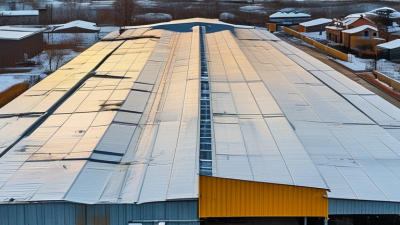
Buying a Sheet Roof for an overseas project involves more than comparing prices per square meter. Climate, transport, installation, and long-term maintenance can change the real cost. A profile that performs well in a dry inland warehouse may struggle near a salty coastline.
Todd G. Miller, a long-time metal-roofing specialist, has emphasized that a metal roof should be evaluated as a complete system, not as a sheet alone. That advice matters. The sheet, coating, fasteners, flashing, insulation, and drainage details must work together. Ignoring one part can weaken the entire installation.
These ten Sheet Roof buying tips are designed for global buyers who need clearer decisions and fewer surprises. Check the steel grade and thickness. Confirm the coating type and warranty conditions. Ask whether the profile suits local wind, rain, snow, or heat. Examine thermal movement, especially on long panels exposed to strong sunlight. Request product samples, test reports, installation drawings, and traceable factory information.
Small details matter. A fastener with the wrong washer may leak around a roof penetration. A container packed poorly may arrive with bent edges. A quoted price may exclude pallets, export packaging, insurance, or replacement panels.
Not every low-cost offer is poor. Not every premium offer is suitable. That is where careful comparison becomes essential. Buyers should also question their assumptions. I have seen specifications look complete while omitting ridge caps and side flashings. That mistake is easy to miss.
Use these guidelines as a practical screening tool, not a substitute for local engineering advice. Conditions differ widely, and a reliable supplier should welcome detailed questions.
Define Project Requirements and Local Roofing Conditions
Before comparing sheet profiles or prices, define the project clearly. Record the roof area, slope, span, drainage path, and expected service life. Note whether the building is residential, agricultural, commercial, or industrial. Each use creates different insulation, fire, loading, and ventilation needs. Measure twice. Small errors can create expensive cutting waste.
Local roofing conditions often decide the correct material. Coastal sites may need stronger corrosion resistance because salt reaches fasteners and cut edges. Mountain regions require careful snow-load calculations and steeper drainage design. Hot climates need reflective surfaces, ventilation gaps, and insulation beneath the sheets. Areas with heavy rain need reliable overlaps, flashings, and controlled runoff. Check local wind exposure, hail risk, seismic conditions, and seasonal temperature changes. A product suitable for one country may perform poorly elsewhere.
Ask a qualified local professional to verify structural capacity and installation details. Request technical data, coating thickness, dimensional tolerances, test reports, and maintenance guidance. Samples should be inspected under daylight, not only in photographs. I have seen buyers focus on sheet price while overlooking delivery damage, replacement lengths, and compatible fasteners. That approach looked economical at first. It was not. Allow room for imperfect measurements, unfamiliar installation practices, and changing site conditions. Confirm applicable building requirements before placing the order.
Compare Sheet Materials, Profiles, Thicknesses, and Coatings
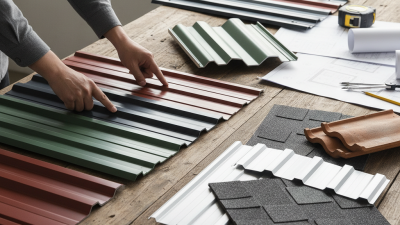
Choosing sheet roofing starts with the material, not the price. Galvanized steel offers strength and broad availability, while aluminum weighs less and suits coastal environments better. Zinc-coated steel can perform well, but damaged edges may rust if left exposed. Copper lasts for decades, yet its high cost and color change require careful planning. Always check local building codes, wind loads, fire ratings, and recycling requirements before ordering.
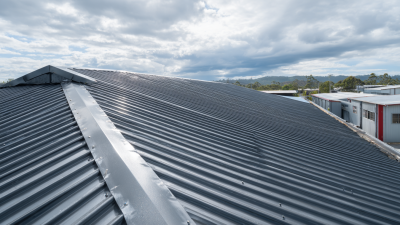
Profile affects drainage, stiffness, and appearance. Corrugated sheets handle simple agricultural buildings effectively, while trapezoidal profiles often provide greater spanning strength. Standing-seam designs reduce exposed fasteners and can improve water management. Thickness needs practical calculation. A thin sheet may dent under hail, tools, or foot traffic. A thicker sheet adds weight and cost. Do not compare thickness alone; compare the actual steel grade, coating mass, support spacing, and design load.
Coatings deserve close inspection. Paint systems with protective primers usually resist ultraviolet light and moisture better than basic finishes. In salty air, specify a coating tested for marine exposure and protect every cut edge. Small details matter. Ask for test reports, tolerances, warranty conditions, and sample panels. A dark finish may absorb more heat than expected. I have seen buyers focus on appearance and overlook condensation beneath the sheets. That decision created damp insulation and premature corrosion. The better approach is to review ventilation, underlay, fasteners, and installation skill together, even when the product itself looks excellent.
10 Sheet Roof Buying Tips for Global Buyers
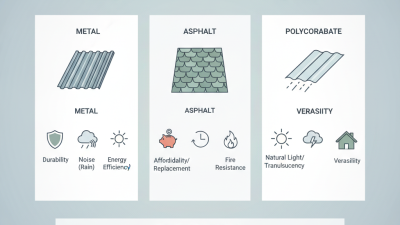
Compare common sheet materials by indicative thickness and typical service-life expectations before selecting a profile, coating, and specification.
Values are generalized industry ranges converted to representative midpoints: thickness is shown in millimeters, while service life is shown in years. Actual performance depends on alloy, metallic coating mass, paint system, roof profile, installation quality, maintenance, humidity, salt exposure, and local building standards. Always verify the required wind, snow, fire, and corrosion ratings for the project location.
Check Weather Resistance, Building Codes, and Quality Standards
10 Sheet Roof Buying Tips for Global Buyers
Weather resistance starts with the climate, not the catalog. Coastal air needs stronger corrosion protection, while alpine regions need snow-load calculations. The International Organization for Standardization uses ISO 9223 corrosion categories to assess atmospheric exposure. Ask for coating test results, salt-spray data, and temperature-cycle performance. Do not trust “all-weather” wording alone. It sounds convincing, but it is incomplete.
Tips: Check local wind, rain, hail, and snow requirements. Confirm the sheet’s thickness and tolerance. Verify fire-performance classification. Review thermal expansion allowances. Match fasteners and seals to the same exposure category. Inspect the supporting structure before ordering. Request test certificates against relevant ASTM, EN, or ISO standards. Confirm drainage slopes and overlap details. Check whether pigments resist ultraviolet fading. Keep batch numbers for future replacement. Small details matter.
Building codes differ widely, even between neighboring countries. Confirm wind-uplift resistance with a qualified local engineer, especially for long sheets and exposed roofs. The U.S. Environmental Protection Agency reports that cool roofs can reduce roof temperatures by up to 50°F and lower peak cooling demand by 10–30% in air-conditioned buildings. Reflective finishes may help, but dust and aging reduce performance. That part is often overlooked. Request maintenance guidance, warranty limits, and documented factory quality controls. A cheaper sheet may still cost more after one failed storm.
Evaluate Suppliers, Pricing, Certifications, and Total Landed Cost
10 Sheet Roof Buying Tips for Global Buyers
The lowest sheet-roof price is rarely the lowest landed cost. Compare steel grade, coating thickness, dimensions, packaging, and loading efficiency. Ask suppliers for recent mill certificates, coating test results, and batch traceability. ISO 9001 certification supports process control, but it does not prove product quality. Check the certificate scope and issuing body carefully. Small detail, major risk.
Build a landed-cost worksheet before negotiating. Include product value, inland transport, port fees, ocean freight, insurance, duties, inspection, currency conversion, and local delivery. UNCTAD’s Review of Maritime Transport reports that over 80% of global trade by volume moves by sea. Freight delays can therefore damage a project schedule, even when the factory price looks attractive. Request two freight scenarios: normal service and delayed clearance.
The World Bank’s 2023 Logistics Performance Index evaluates customs, infrastructure, tracking, and delivery timeliness. Use those factors when judging a supplier’s export location. Ask for production photos, packing specifications, and references from comparable markets. Then verify them independently. A supplier may provide impressive documents. Documents can still be incomplete. One practical mistake is ignoring minimum order quantities, which may leave unused sheets, extra storage costs, or awkward color matching. Compare at least three offers using identical technical specifications. Otherwise, the “cheapest” quotation may simply exclude essential requirements.