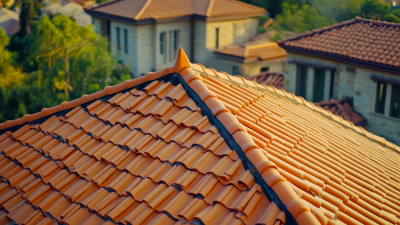
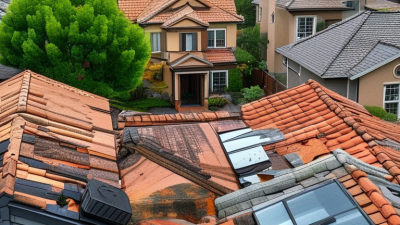
2026 How to Choose Fire Retardant Roof Tile?
Choosing a Fire Retardant Roof Tile in 2026 requires more than comparing colors, prices, or surface finishes. A roof must resist flames, radiant heat, and windborne embers. Its performance also depends on underlayment, ventilation, installation quality, and nearby vegetation. Small gaps around ridges can become serious weaknesses.
The National Fire Protection Association reported approximately 350,800 home structure fires in the United States between 2017 and 2021. These fires caused about 2,840 civilian deaths annually. The Insurance Institute for Business & Home Safety identifies roof construction as a critical factor in wildfire resilience. Steve Quarles, former IBHS senior scientist, stated, “The roof is the most vulnerable part of a home to wildfire.” That warning remains practical in 2026, especially where dry leaves collect beneath tiles.
A reliable selection process should examine ASTM E108 or UL 790 ratings, where applicable. European projects may also require EN 13501-5 classification. Class A assemblies generally provide the strongest tested fire resistance. However, a tile’s rating alone does not guarantee whole-roof protection. Check the complete assembly, including battens, membranes, fasteners, and penetrations. Ask manufacturers for independent test reports, not vague marketing claims. Verify local building requirements with a qualified roofing professional.
Performance can vary.
Ceramic, concrete, and specially formulated composite tiles may offer different benefits. Weight, cracking resistance, maintenance, and climate exposure also matter. I would not choose solely from a product brochure. Field experience, transparent documentation, and careful installation should carry equal weight. This guide explores those decisions, while acknowledging one uncomfortable truth: even excellent materials cannot remove every wildfire risk.
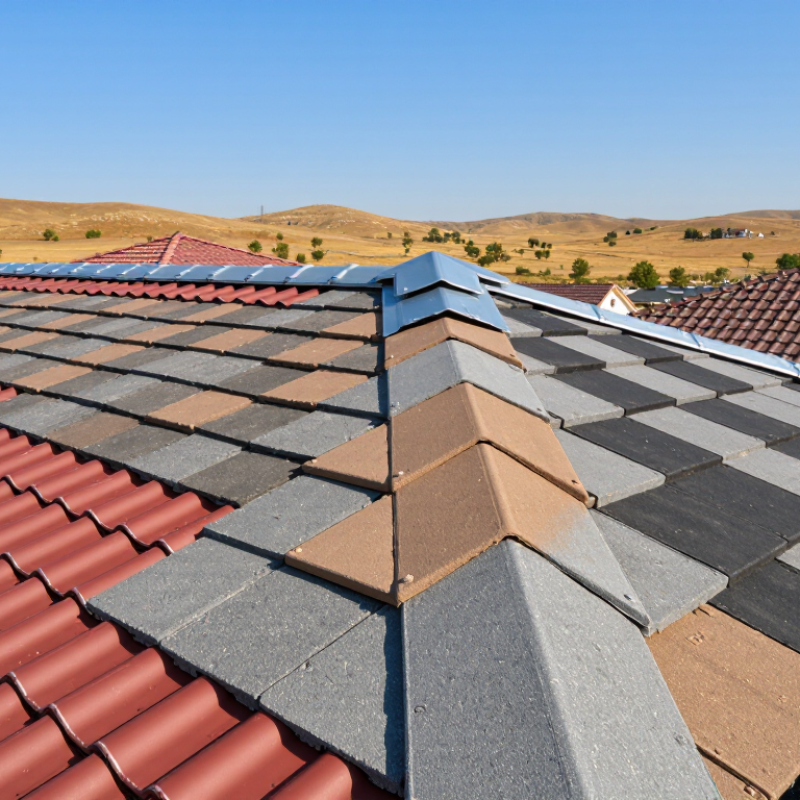
What Makes a Roof Tile Fire Retardant?
2026 How to Choose Fire Retardant Roof Tile?
What makes a roof tile fire retardant? The answer involves material behavior, testing, and the complete roof assembly. Clay and concrete tiles are generally noncombustible, but the roof can still fail through gaps, dry leaves, weak underlayment, or exposed timber. Fire resistance is not only a tile feature.
Look for tested Class A performance under ASTM E108 or UL 790. Class A is the highest classification in these fire tests. It evaluates flame spread, fire penetration, and the effect of burning brands. European projects may reference EN 13501-5, where external fire performance is assessed through roof systems. Check the test report carefully. A tile tested alone may not represent your installed roof.
Real exposure is messier. Wind-driven embers can enter beneath overlapping tiles, especially around ridges, valleys, vents, and damaged edges. The Insurance Institute for Business & Home Safety identifies roof coverings and vulnerable details as key wildfire defenses. NFPA’s Fire Loss in the United States During 2023 recorded about 1.39 million fires, showing why small construction choices deserve attention. In practice, installers should inspect tile spacing, fasteners, penetrations, and the underlayment together. A fire-retardant label helps, but it does not replace proper installation. That assumption needs challenging.
How Fire Ratings Classify Roof Tile Performance
Fire ratings classify how a roof tile system performs under controlled fire exposure. Under ASTM E108 and UL 790 testing, Class A provides the highest protection, Class B offers moderate protection, and Class C provides basic protection. The tests examine flame spread, fire penetration, and the ability to resist intermittent flames.
A critical detail is often missed. The rating belongs to the tested roof assembly, not always to the tile alone. Underlayment, decking, ventilation gaps, pitch, and installation methods can change the result. In field inspections, small gaps around penetrations often deserve more attention than the tile surface. Check the product’s test report, installation instructions, and local code requirements together.
NFPA’s Home Structure Fires report estimated 343,100 home structure fires annually in the United States from 2016 to 2020. These fires caused about 2,620 civilian deaths and 11,530 injuries each year. The figures show why roof classification matters, but a rating is not a guarantee. Wind, debris, aging materials, and poor maintenance can weaken real-world performance. A better selection compares Class A evidence with climate exposure, roof design, and verified installation quality. Sometimes, the most expensive tile is not the safest choice.
2026 How to Choose Fire Retardant Roof Tile? - How Fire Ratings Classify Roof Tile Performance
| Fire Rating or Factor |
What It Indicates |
How to Interpret It When Choosing Roof Tile |
What to Verify |
| Class A |
The highest fire-resistance classification for roof coverings under commonly used tests such as ASTM E108 and UL 790. It represents performance under severe fire exposure in the applicable test. |
Often specified where strong protection from external fire exposure is required. The rating applies to the tested roof-covering assembly, not automatically to every product made from the same material. |
Confirm the exact tile or covering, underlayment, roof deck, installation method, and any other components match the tested Class A assembly. |
| Class B |
A classification for roof coverings tested against moderate fire exposure under the applicable test standard. |
May be suitable where allowed by local building codes and project requirements. It provides a lower level of tested external fire exposure performance than Class A. |
Check local code requirements and the product’s test documentation for the specific roof assembly. |
| Class C |
A classification for roof coverings tested against light fire exposure under the applicable test standard. |
Use only where Class C is accepted for the building, location, and intended application. It is a lower classification than Class B or Class A. |
Verify that the jurisdiction and project specifications permit Class C for the roof in question. |
| Unclassified or not tested |
No applicable roof-covering fire classification has been established for the stated product or assembly. |
Do not assume a rating based only on appearance, material name, or a claim that a product is “fire resistant.” |
Request current test or certification documents for the exact product and installation assembly, or consult the local building authority. |
| Tile material |
Clay and concrete tiles are generally noncombustible materials; however, material composition alone does not establish the fire classification of the complete roof assembly. |
Tiles may be used in assemblies with different ratings depending on the tested configuration and installation details. |
Check the assembly rating, including underlayment, deck, joints, openings, and installation details—not just the tile material. |
| Installation and roof details |
Gaps, eaves, ridges, valleys, penetrations, underlayment, and roof-deck construction can affect the performance of the installed system. |
A rated product installed differently from its tested configuration may not retain the same classification. |
Follow the tested installation instructions and applicable code requirements; use qualified installers where required. |
| Fire rating versus fire-resistance rating |
Roof-covering Classes A, B, and C describe performance in specified external fire tests. They are not hourly fire-resistance ratings for a wall, floor, or roof assembly. |
Choose the rating that addresses the project’s external roof-fire requirements, and assess any separate fire-resistance requirements independently. |
Confirm the governing standard and the type of fire performance required in the building code or project specification. |
Selection note: ASTM E108 and UL 790 are commonly used test standards for roof-covering fire classification in the United States. Requirements and accepted test methods vary by jurisdiction. Always verify current local codes and documentation for the exact roof assembly.
Which Materials and Designs Resist Heat Best?
Choosing a fire-retardant roof tile starts with the heat source, not the brochure.
NFPA’s Fire Loss in the United States During 2023 recorded 1,388,500 fires and $21.9 billion in direct property damage. Wildfire exposure makes roof material and detailing inseparable.
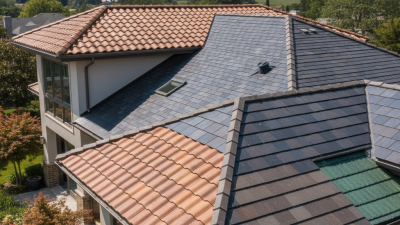
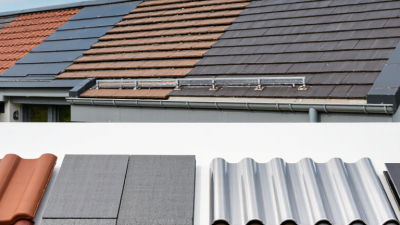
Clay, concrete, slate, and many fiber-cement tiles have low combustibility.
Metal roofing can resist ignition, but coatings, insulation, and trapped debris still matter. Request a tested roof assembly, not a tile-only claim.
UL 790 and ASTM E108
assess flame spread, intermittent flame, and burning-brand performance. Class A is the strongest common classification, yet the rating belongs to the tested assembly.
Design details often decide performance.
Interlocking profiles reduce open joints, while protected eaves and ember-resistant vents limit entry points. Keep valleys clean. Dry leaves can become a small furnace.
Research from the Insurance Institute for Business & Home Safety identifies vents, eaves, and debris as recurring wildfire weaknesses. A steep roof may shed embers better, but geometry cannot correct careless gaps. Use noncombustible flashing and verify underlayment, fasteners, and wind-uplift results.
I would not treat a Class A label as a guarantee.
A tile may survive radiant heat while an exposed eave fails. Dark coatings also absorb more solar heat, an overlooked issue in hot climates.
How to Compare Roof Tile Safety, Durability, and Cost
2026 How to Choose Fire Retardant Roof Tile?
How to Compare Roof Tile Safety, Durability, and Cost
Choosing fire retardant roof tiles requires more than reading a safety label. Compare tested fire performance, water absorption, impact resistance, and installation requirements. Request current reports from recognized testing laboratories. Check whether the test applies to the complete roofing system, including underlayment and fixings. A tile may resist flame well but perform poorly when installed incorrectly. That detail is easy to miss.
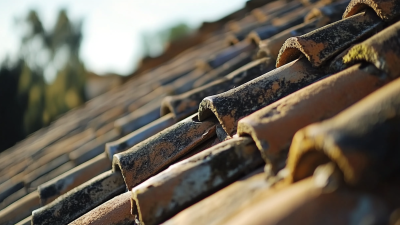
Durability affects real cost. Inspect sample edges for cracks, uneven coloring, or weak corners. Ask about freeze-thaw performance, wind resistance, maintenance, and expected service conditions. Coastal air, heavy rain, and strong sunlight can shorten a roof’s life. Do not compare prices by tile alone. Include delivery, labor, replacement pieces, fasteners, and future inspections. A cheaper tile can become expensive after repeated repairs. It happens. My own comparison would remain cautious because laboratory results cannot predict every roof environment.
Tips: Create a simple comparison sheet. Record fire rating, test standard, weight, dimensions, warranty terms, and estimated installation cost. Keep product documents with your project records. Request a written quotation with all accessories included. Check local building requirements before ordering. If two options seem similar, choose the one with clearer evidence and easier maintenance, not merely the lower price.
How to Select and Install the Right Fire Retardant Roof Tile
Selecting and installing the right fire retardant roof tile starts with the complete roof assembly, not the tile alone. NFPA’s Home Structure Fires report found that U.S. fire departments responded to an average of 358,500 home structure fires annually from 2016 to 2020. Roof materials can influence how quickly flames spread across exposed surfaces. Choose clay or concrete tiles with a documented Class A fire rating, where local codes require it. Request test evidence based on ASTM E108 or UL 790. Confirm the rating covers the tile, underlayment, deck, vents, and installation method. A strong label is not enough.
Installation details matter. Check roof pitch, deck condition, flashing, valleys, and ridge ventilation before delivery. The Insurance Institute for Business & Home Safety identifies roof edges, vents, and gutters as vulnerable areas during wildfire exposure. Use compatible noncombustible underlayment and corrosion-resistant fasteners. Keep gaps tight, but follow the tested assembly instructions. Do not improvise around skylights or pipe penetrations. Small gaps can collect embers. On site, I would photograph every penetration and verify fastener spacing against the approved design. This step feels slow, yet it prevents costly assumptions. Even experienced crews can miss damaged tiles or poorly sealed eaves. Recheck after the first heavy rain, because movement and moisture can reveal installation weaknesses that a final visual inspection may overlook.
2026 How to Choose Fire-Retardant Roof Tile?
ASTM E84 Flame Spread Classification Reference
How to read the chart: ASTM E84 classifies surface flame-spread performance as Class A from 0–25, Class B from 26–75, and Class C from 76–200. A lower flame-spread index indicates better surface flame-spread performance in this test.
When selecting fire-retardant roof tile, confirm the complete roof assembly rating under the applicable roof-covering standard, such as ASTM E108 or UL 790. Also verify the tile material, underlayment, roof slope, fastening method, ventilation details, and protection around penetrations according to local building codes and the product installation instructions.