Leave Your Message
-
Phone
-
E-mail
-
Whatsapp
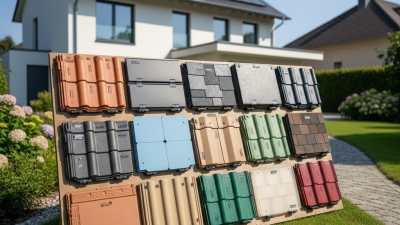
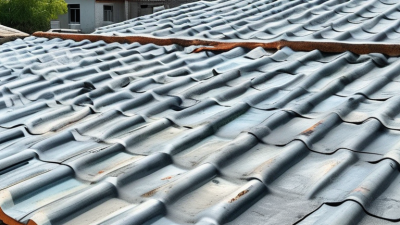
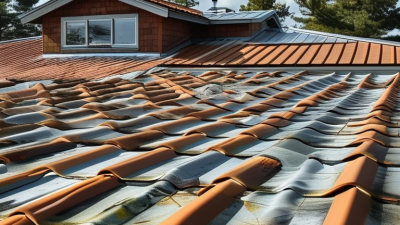
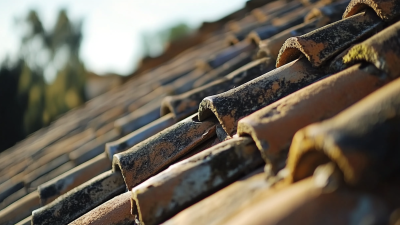
Choosing the best roof tiles manufacturer in China requires more than comparing catalog prices. Global buyers need dependable materials, clear specifications, and consistent production. A professional Roof Tiles Manufacture should explain its clay or concrete composition, firing temperature, water absorption, frost resistance, and expected service life. These details matter when tiles face coastal salt, heavy rain, strong sunlight, or repeated freezing.
Practical experience also reveals important differences. A reliable factory can provide factory photographs, production samples, inspection records, and independent laboratory reports. Buyers should examine tile dimensions, surface finish, color consistency, and edge strength. Packaging deserves equal attention. Strong cartons, corner protection, and moisture-resistant wrapping can reduce damage during long-distance shipping. Small details often decide the final result.
No supplier is perfect. Even an experienced manufacturer may face shade variation between batches or delays during peak seasons. That is why responsible buyers should request a sample order and confirm quality standards before signing a large contract. Transparent communication is valuable, especially when discussing drawings, roof pitch, accessories, pallet loading, and delivery schedules. The best choice is not always the lowest-priced factory. It is the supplier that combines proven experience, technical knowledge, honest documentation, and responsive after-sales support. Careful evaluation protects the roof, the budget, and the buyer’s reputation.
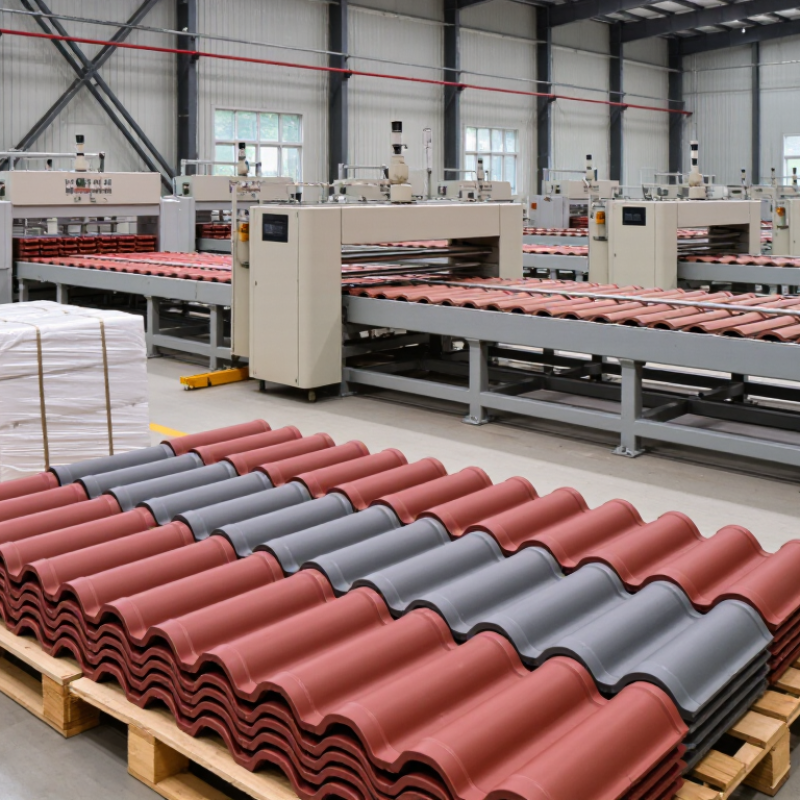
China Best Roof Tiles Manufacturer for Global Buyers?
China has become a major roof tile manufacturing base through scale, skilled labor, and established supply chains. Many factories combine automated pressing with manual inspection. This balance helps control shape, thickness, and surface finish. Large production zones also support nearby suppliers for clay, pigments, molds, packaging, and machinery. That proximity can shorten development cycles for overseas buyers.
Manufacturers often produce clay, concrete, and glazed tiles for different climates and building styles. Experienced export teams understand pallet loading, moisture protection, labeling, and container weight limits. Quality checks may include dimensional measurement, water absorption, freeze-thaw resistance, and visual sorting. Buyers should request recent test records, production samples, and clear tolerances. Photographs alone are not enough.
The strongest factories improve products through repeated project feedback. A tile that performs well in a dry region may need different testing in cold, wet weather. This detail is easy to overlook. Cost advantages can also create pressure for rushed firing or weaker packaging. Factory audits, sample approval, and pre-shipment inspection reduce that risk. Some communication still fails, especially when technical terms are translated loosely. A careful buyer should confirm every specification in writing, from color variation to breakage allowances.
| Evaluation Dimension | Verified Industry Fact | Why It Matters to Global Buyers | Reference or Verification Basis |
|---|---|---|---|
| Manufacturing ecosystem | China has a large, vertically developed ceramics industry covering raw-material preparation, forming, glazing, firing, finishing, packaging and logistics. | Buyers can source different roof-tile materials and finishes through established industrial supply chains. | China’s national industrial classification and building-material standards cover ceramic, clay, concrete and related construction products. |
| Available roof-tile materials | Common categories include fired clay or ceramic tiles, concrete tiles, glazed tiles and metal roof systems. Fired products are formed, dried and kiln-fired before inspection. | Material selection can be matched to climate, roof pitch, architectural style, weight limits and project budget. | Product category definitions are reflected in international and national construction-product standards. |
| Product customization | Roof tiles can be specified by profile, nominal dimensions, color, surface finish, water absorption, mechanical strength, accessories and pallet configuration. | Private-label and project-specific orders can be aligned with local design codes and installation practices. | Final specifications should be confirmed through approved drawings, samples and laboratory test reports. |
| International product classification | Ceramic roofing tiles are generally classified under HS 6905.10 in the Harmonized System. | A standardized customs classification simplifies tariff research, import documentation and shipment planning. | World Customs Organization Harmonized System heading 6905.10. |
| Quality-control checkpoints | Relevant checks include dimensions, visual defects, water absorption, breaking load or flexural strength, frost resistance where required, glaze condition and color consistency. | Pre-shipment inspection reduces risks related to installation fit, leakage, breakage and batch variation. | Testing criteria should follow the destination market’s applicable standard, building code and contract specification. |
| Climate suitability | Roof-tile performance depends on water absorption, freeze-thaw exposure, wind uplift, roof pitch, fixing method and local rainfall conditions. | A tile suitable for a warm, dry region may not be suitable for repeated freezing or severe coastal exposure. | Buyers should request climate-specific test evidence and installation guidance rather than relying only on appearance. |
| Production scalability | The industry supports both standard catalog products and project-based production using molds, automated forming, kiln firing and batch-based finishing. | This supports trial orders, phased construction programs and larger volume procurement, subject to factory capacity. | Capacity, minimum order quantity and lead time must be confirmed for each production specification. |
| Packaging and export handling | Roof tiles are fragile, heavy and space-intensive products; export packaging commonly requires pallets, separators, corner protection, moisture control and container loading plans. | Correct packaging can materially reduce breakage, claims and usable-cost increases during long-distance transport. | Packaging should be validated by a loading plan, drop-risk assessment and pre-shipment inspection. |
| Standards compatibility | International buyers may need compliance with ISO 13006, EN 1304, ASTM requirements or destination-country building regulations, depending on product type and market. | Standards alignment helps buyers compare products and prepare technical files for architects, contractors and regulators. | The applicable standard must be identified before production because requirements differ by material and destination. |
| Total landed cost | The purchase price is only one cost component; freight, duty, inland delivery, unloading, breakage allowance, accessories and installation labor also affect the final cost. | Comparing total landed cost provides a more reliable basis than comparing factory prices alone. | Use the confirmed HS code, Incoterm, shipment weight, container plan and destination import rules for calculation. |
| Buyer due diligence | A reliable sourcing process should include factory documentation, material samples, technical drawings, test reports, reference projects, production inspection and packaging approval. | A structured qualification process helps distinguish a suitable manufacturing partner from a supplier that only trades standard products. | The final supplier decision should be based on verified documents, independent inspection and a signed product specification. |
Note: Technical requirements, tariffs and building regulations vary by destination market. Buyers should confirm the current requirements with the relevant customs authority, testing laboratory and local building-code authority before placing an order.