2026 Top Roof Sheets Manufacture Trends and Innovations?
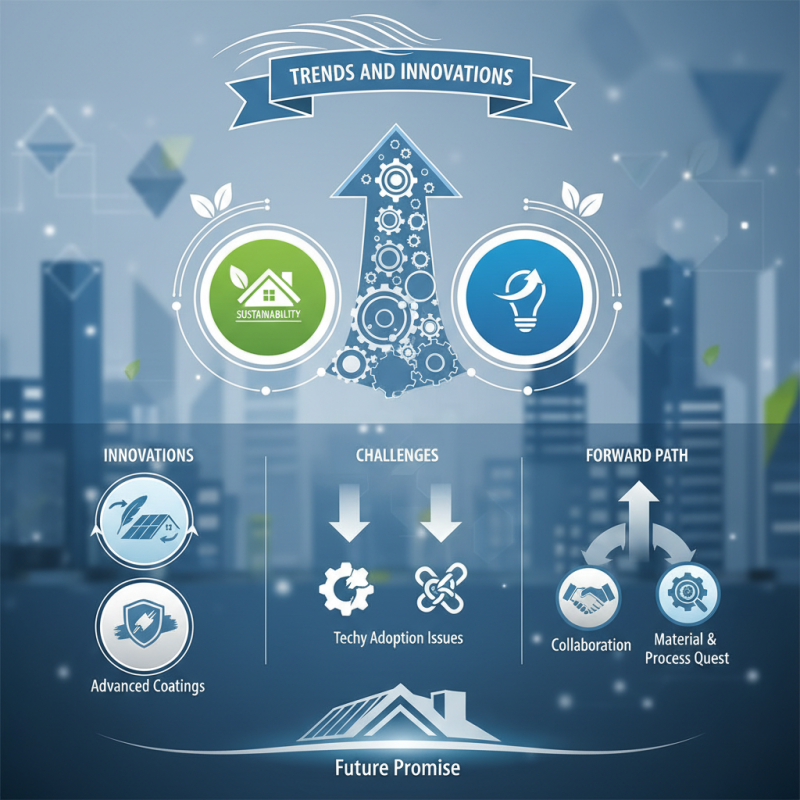
The roof sheets manufacture industry is evolving rapidly. In 2026, new trends and innovations will shape its future. Manufacturers are now focusing on sustainability and efficiency. These themes are crucial for meeting growing environmental demands.
Innovations like lightweight materials and advanced coatings are becoming popular. They enhance durability and performance while reducing costs. Yet challenges remain. Some companies struggle to keep up with technological advancements. Others face difficulties in supply chain logistics. These obstacles can hinder growth in the roof sheets manufacture sector.
As the industry pushes forward, collaboration is essential. Partnerships between manufacturers and tech developers can drive progress. The quest for better materials and processes continues. This journey reflects a commitment to quality and ecological responsibility. The future of roof sheets manufacture holds promise, but it requires ongoing effort and adaptation.
Emerging Materials in Roof Sheet Manufacturing for 2026
In 2026, the roof sheets manufacturing industry is witnessing exciting changes. Innovations in material science are leading the way. Asphalt and metal sheets are being replaced by eco-friendly alternatives. For instance, bamboo-based composites are gaining traction. These materials are lightweight and durable. They also offer excellent thermal insulation. This can significantly reduce energy consumption in buildings.
Recycled plastics are also making a notable entrance. They provide strength and versatility. Incorporating recycled elements contributes to sustainability efforts. However, challenges remain. The durability of these materials under extreme weather conditions remains a concern. Manufacturers are working on improving their performance.
Another trend is the use of reflective coatings. These coatings help in reducing heat absorption. This means lower cooling costs for homeowners. Yet, there are doubts about the long-term effectiveness of these products. Further research is needed to ensure reliability. The combination of innovation and sustainability will shape the future. Exciting times lie ahead in roof sheet manufacturing.
Innovative Production Techniques Shaping the Roof Sheet Industry
The roof sheet industry is evolving rapidly. Innovative production techniques are playing a crucial role in this transformation. New technologies are streamlining manufacturing processes, leading to cost-effective solutions. Automation is becoming commonplace. Robots and software are enhancing precision in cutting and shaping materials. However, this shift demands a workforce skilled in handling advanced machinery. Training and education need to keep pace with these innovations.
Sustainability is another focal point. Eco-friendly materials are gaining popularity. Companies are investing in recycling programs for scrap materials. Yet, challenges persist. Many manufacturers struggle to balance environmental concerns with profitability. Innovations on this front may require a rethinking of existing practices. The incorporation of renewable energy sources in production is promising. It can reduce carbon footprints effectively.
Consumer demand is changing as well. The desire for customized and durable roof sheets grows. Manufacturers must adapt to these preferences. This involves careful market research and a willingness to innovate. However, not all companies will succeed in this competitive landscape. Only those willing to embrace change and take calculated risks can thrive.
2026 Top Roof Sheets Manufacture Trends and Innovations
| Trend / Innovation |
Description |
Impact on Industry |
Expected Adoption Rate (by 2026) |
| Eco-friendly Materials |
Increase in products made from recycled or sustainable materials. |
Reduced carbon footprint and improved sustainability of roofing solutions. |
65% |
| Lightweight Roofing |
Introduction of lighter sheet materials that reduce structural load. |
Lower construction costs and enhanced energy efficiency. |
70% |
| Smart Roofing Technologies |
Integration of sensors and smart systems for monitoring roof conditions. |
Improved maintenance and longevity of roof systems. |
40% |
| Reflective Coatings |
Use of coatings that reflect sunlight to enhance energy efficiency. |
Decreased cooling costs and improved thermal performance. |
50% |
| Modular Roofing Systems |
Interlocking components that facilitate quick installation. |
Reduce labor costs and installation time. |
60% |
Sustainability Trends in Roof Sheet Materials and Design
Sustainability is reshaping the roof sheet industry. Many manufacturers are now focusing on eco-friendly materials. For instance, recycled metals and biodegradable composites are gaining traction. These materials reduce waste and energy consumption. Architects and builders appreciate their benefits. However, challenges remain.
Not all sustainable materials perform well in diverse climates. Some may lack durability or insulation properties. This raises concerns for both builders and homeowners. Choices can be limited, impacting design flexibility. The market must address these issues. Innovations are essential to enhance material performance.
Design trends are also evolving. Green roofs and solar membranes are popular. These designs integrate nature and technology. They improve energy efficiency and aesthetics. Still, they require careful planning. Not every design suits every building type. Striking a balance between sustainability and practicality is crucial.
Sustainability Trends in Roof Sheet Materials and Design (2026)
Technological Advancements Enhancing Roof Sheet Durability and Performance
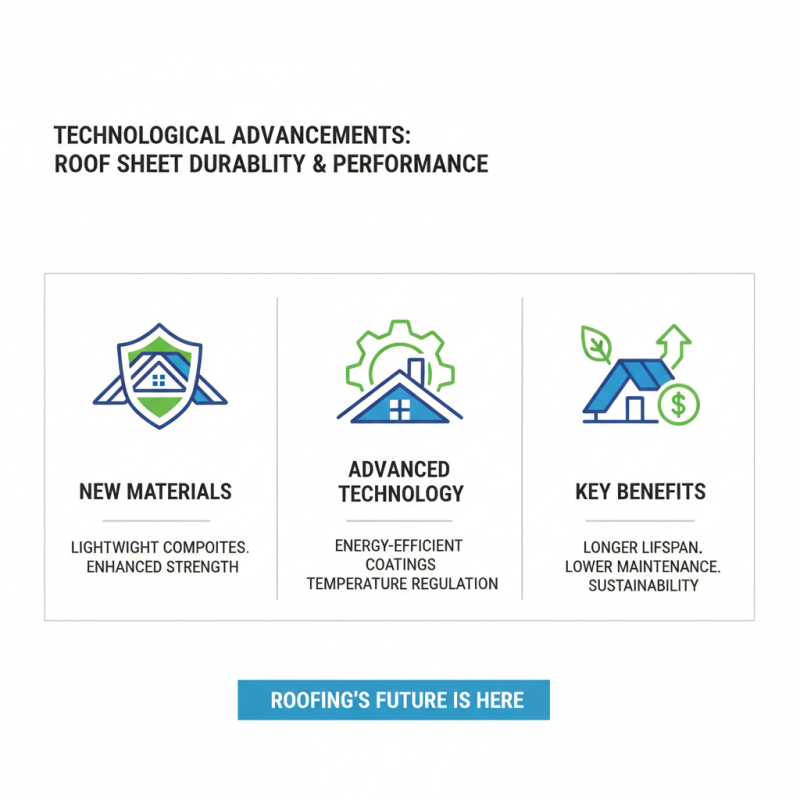
The roofing industry is undergoing significant changes. New materials enhance durability and performance. Advanced technology is reshaping the landscape of roof sheets. Lightweight composites and energy-efficient coatings are now commonplace. These innovations promise longer lifespans and lower maintenance costs.
Recent studies highlight the impact of solar-reflective surfaces. They help manage heat absorption. This feature is crucial in reducing energy consumption. In areas with extreme weather, enhanced flexibility is vital. It allows roof sheets to withstand strong winds and heavy rainfall. However, some innovations still need improvement. For instance, the balance between weight and strength remains a challenge.
Additionally, smart roof technologies are emerging. Sensors can monitor conditions in real-time. They provide valuable data for preventive maintenance. Yet, integration into existing structures can be complex. Not all building owners are ready for such upgrades. The future holds promise, but also questions. How will these advancements shape the industry in the coming years?
Market Demand Influences on Roof Sheet Innovations and Trends for 2026
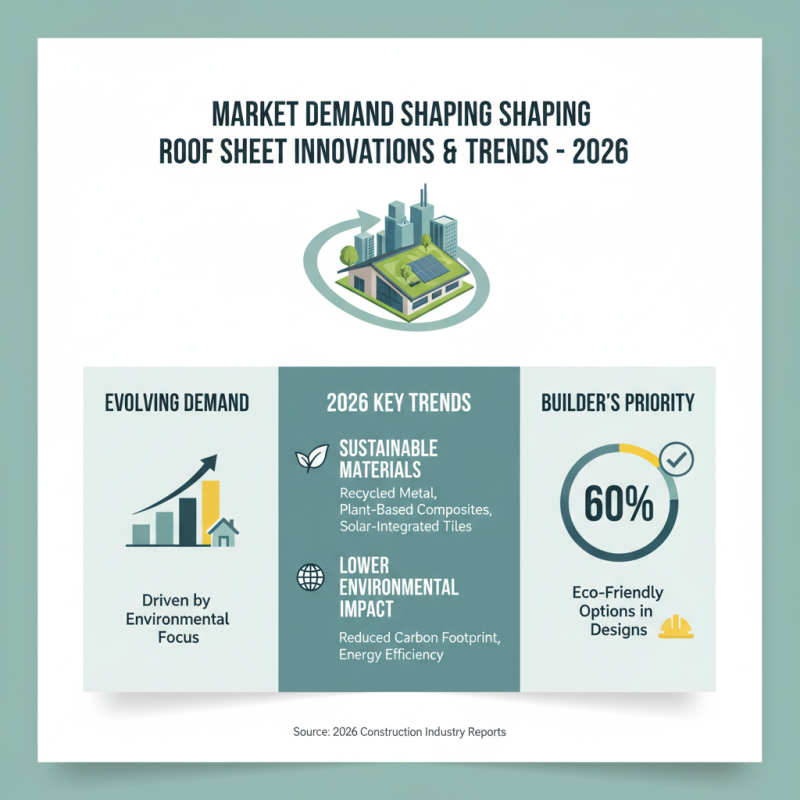
The demand for roof sheets continues to evolve. Innovations must align with market needs. In 2026, sustainable materials are expected to dominate. Many construction projects aim for lower environmental impact. Reports indicate that 60% of builders prioritize eco-friendly options in their designs.
Energy efficiency is another key driver. Roof sheets with advanced insulation properties can reduce energy costs. Recent studies show that buildings using these materials can save up to 30% on cooling and heating expenses. However, the market struggles with misinformation. Some products labeled as energy-efficient may not meet performance standards.
Moreover, aesthetics play a crucial role in consumer choices. Color, texture, and style are vital. Aesthetic innovations can boost marketability. Yet, many manufacturers fail to keep pace with design trends. This gap can hinder sales. If companies don’t adapt, they risk losing customers to competitors. Addressing these issues will be critical for success in the coming years.